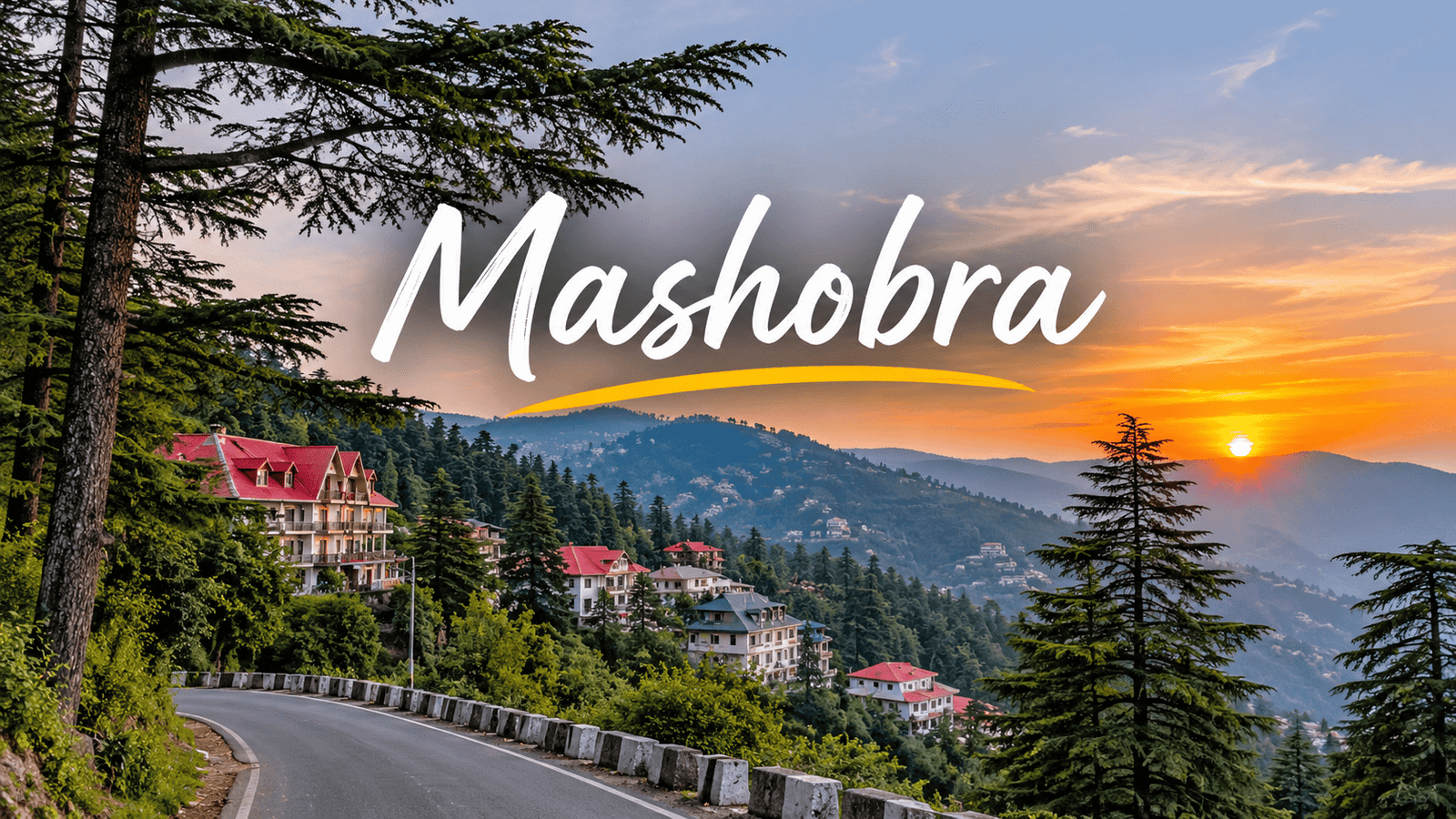

Manali is one of the best-known hill stations in Himachal Pradesh. For years, this place has attracted travellers with its mountain scenery, cedar forest, river-view side, and easy access to the higher Himalayan landscapes. Manali is a noteworthy place in Indian culture and heritage as it is said to be the home of the Saptarshi, or Seven Sages. Manali is named after the Sanatan Hindu lawgiver Manu. The name Manali is regarded as the derivative of ‘Manu-Alaya ‘, which literally means ‘the abode of Manu’.
But Manali is not just a winter destination. The experience changes throughout the year. Summer brings pleasant weather for sightseeing and outdoor walks. The monsoon makes the surrounding hills greener but can complicate road travel. Winter attracts visitors hoping to see snowfall.
Whether you are planning a family holiday, a short weekend break or a longer mountain trip, knowing which place to visit, when to travel, and how to get around can make your journey easy. This guide covers Manali’s main attractions, activities, seasonal information, travel considerations and practical tips to help you plan the trip.
Location of Manali Hill Station
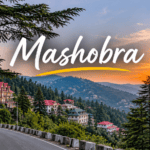
Manali is a popular hill station in Kullu district of Himachal Pradesh. It is surrounded by cedar forests and snow-covered peaks. The town is alongside the Beas River, making the valley even more beautiful, especially in summer seasons. Situated at an elevation of approximately 2,050 meters above sea level, Manali serves as the gateway to several beautiful destinations in the higher Himalayas, including Solang Valley and the Rohtang Pass.
Manali is connected by road to major towns and cities in northern India, including Chandigarh and Delhi. Although the journey can take several hours, the changing landscapes along the way make the road trip an experience in itself. However, Manali’s mountainous setting also affects the travel plans. Roads can become congested during peak holiday seasons, while heavy rainfall and landslides can cause delays and temporary closures.
Facts of Manali Hill Station
Some facets of Manali Hill Station include honeymooners trying to pose wearing ski gear rather than actually willing to try the fun of skiing. Manali is a relatively quiet settlement in the Kullu valley; the Beas River flows through the valley, adding to its natural appeal. Because of its location at a higher elevation, the weather changes dramatically. Summer and spring are considered the most comfortable time for sightseeing, while the winters can bring snow and freezing temperatures.
Manali is an important starting point for journeys towards the Lahaul region through the Atal Tunnel and towards other higher altitude destinations when routes are open. Festivals and fairs are also an important part of the life of Manali. Events associated with the local deities bring communities together. The Dhungri fair is connected with the Hadima Devi temple is really popular in the town and attracts many visitors.
Trekking at Manali
Visiting Manali, and how can we forget about trekking? After all, the Himalayan trails are the most beautiful and scenic trails you will ever find. And the snow-covered peaks are just the cherry on top. One of the best things about trekking around Manali is the variety of landscapes along the way. It gives the best view of the Kullu Valley, with the Beas River flowing in the middle. Popular trekking routes near Manali are:
- Beas Kund trek
- Hampta Pass trek
- Bhrigu Lake trek
- Lamadugh trek
- Chandratal Lake trek
- Deo Tibba base camp trek
- Chandrakhani Pass trek
- Kheerganga trek
- Bijli Mahadev trek
- Pin Parvati Pass trek
- Jogini waterfall trek
Paramount Tourist Attractions in Manali
As the place has its own vogue, people can have varied savour- some appealing to the senses, others exceeding all imagination. The lingering serenity of a place of prayer is a blessing. The silent watch of Nature over mere mortals in Manali and the wish to stay here gets deeper. Following are the ultimate places that begin from the premise of a pleasing trip here-
#1. Hadimba Temple
Hadimba Devi Temple is more than a historical monument and remains an active place of worship for devotees and visitors from all around the country. The temple is associated with Hadimba, who is described in the Mahabharata as the wife of Bhima, one of the five Pandava brothers. According to the local legend, Hadimba later became revered as a goddess. In Manali, she holds a special place in local religious life and is regarded as the protective deity.
Unlike many Hindu temples that feature a conventional central idol, the inner sanctum is associated with the sacred rock and the worship of Hadimba Devi. The temple also hosts the annual Dhungri mela, generally held in May. And because of this fair, the temple is also called Dhungari temple in the local language.
The present temple architecture was built in 1553 CE under the rule of Maharaja Bahadur Singh, the ruler of Kullu. This makes the temple an important example of the region’s 16th-century religious architecture. The temple is more than just a place of worship; it offers a glimpse of Kullu’s traditional life while preserving the legend and history in its wooden walls.
#2. Himalayan Nyingmapa Buddhist Temple
Commonly referred to as the Himalayan Nyingmapa Gompa, it is connected with the Nyingma tradition of Tibetan Buddhism. The temple offers visitors an opportunity to learn about the Buddhist religious tradition and Tibetan cultural influences in the Kullu Valley. Manali has long served as a meeting point for Hindu and Buddhist traditions, particularly because of its connections with the neighbouring regions of Lahaul, Spiti and other parts of the western Himalayas.
The temple serves as a place for Buddhist teachings, meditation and spiritual practices. It features Buddhist imagery, colourful paintings, and religious decorations. One of the temple’s best-known features is its large, two-storey statue of Shakyamuni Buddha, representing the Buddha. The statue is the central focus for visitors and worshippers alike.
Read Also: Top 10 Snow Valley Resort Manali
#3. Manu Maharishi Temple, Manali
Manu Maharishi Temple, commonly known as Manu Temple, is a Hindu shrine in Old Manali. According to Hindu legend, Sage Manu is regarded as the progenitor of humanity and lawgiver. This temple reflects the identity of Manali, since it was named after Sage Manu- Manu Alaya, interpreted as the abode of Manu. Compared with the larger temple complexes found elsewhere in India, the Manu temple has a relatively modest appearance.
Manu temple is situated in Old Manali, within walking distance of parts of the main town, although the route includes uphill sections. The temple can be visited during much of the year, subject to local opening arrangements and weather conditions. As the temple is an active religious site, visitors should dress respectfully, follow local instructions and ask permission before photographing religious activities.
#4. Vashisht Temple Manali
Vashisht Temple is a well-known Hindu religious site in Vashisht village, approximately 2-3 km from the centre of Manali in Himachal Pradesh. The temple is dedicated to Sage Vashisht, one of the seven revered sages known as Saptrishis. Sage Vashisht holds an important place in Hindu religious literature and is mentioned in ancient texts, including the Rig Veda. He is also associated with the loyal lineage of Lord Rama, in which he served as a spiritual teacher and a guide.
The temple’s setting within the Vashisht village adds to its cultural character. The surrounding settlement has traditional houses, narrow lanes, and views of mountainous landscapes, offering visitors a glimpse of village life beyond Manali’s main tourist attractions. One of the main reasons people visit Vashisht is its natural hot springs, situated close to the temple complex. The Vashisht temple is worth including in a Manali sightseeing itinerary because it combines religious significance, traditional architecture and access to natural hot springs.
#5. Van Vihar Park
A popular green space in the heart of Manali is known as Van Vihar Park. It is located near Mall Road and opposite the Tibetan market; the park offers a convenient place to enjoy nature. It is known for its tall deodar trees, sitting areas, and an artificial pond where visitors can enjoy boating with a little bit of extra fee. Despite being called a national park, Van Vihar in Manali is primarily known as a recreational forest park rather than a destination for viewing large wild animals.
Because it is close to several commercial areas, Van Vihar can easily be combined with shopping, a cafe visit, or other sightseeing in Central Manali. Van Vihar is best suited for the travellers who want a simple nature break within Manali itself. It offers a peaceful walk in the shade of deodar trees and fun activities for kids and adults alike- boating. So, if you are tired from shopping or just want to take a seat while waiting for someone, this park is just right for you.
#6. Rahala Falls Manali
Rahala Falls is a natural waterfall located on the Manali-Leh highway, approximately 16 Km from Manali town, along the route towards Rohtang Pass. Unlike the typical Manali attractions that require a separate journey, Rahala Falls lies along the well-known mountain road. The surrounding landscape is one of its main attractions. Tall trees provide a forested backdrop, while the sound of falling water adds to the natural landscape.
The period from late spring to early autumn is generally suitable for visiting Rahala Falls, since the road and conditions are generally good at that time. Monsoons could be avoided because of the heavy landslides, flash floods, and slippery road warnings.
Read Also: 10 Best Hill Stations in Himachal Pradesh
#7. Naggar
Naggar is a historical village in Kullu and is known for its traditional architecture, historic Naggar castle, and its connection to the Russian painter Nicholas Roerich. The village offers its visitors an opportunity to explore the region’s heritage, art and village life at a slower pace. Naggar once served as the capital of the Kullu kingdom before the administrative centre shifted to Sultanpur. The main attraction of this village is Naggar Castle.
Naggar Castle is one of the village’s best-known landmarks. It is built in the Kathkooni architectural style. Today, the castle is maintained as a heritage property and is also used as a hotel. Nicholas Roerich art gallery is another significant attraction in Naggar. The gallery displays paintings and material connected with Roerich’s artistic work and his interest in Himalayan landscape and culture.
#8. Solang Valley Manali
Known as Solang Nullah, the valley lies along the route towards Rohtang Pass and the Atal Tunnel. Solang Valley draws visitors mainly for its natural landscape and outdoor activities. Its appearance changes considerably throughout the year, with green slopes during warmer months and snow-covered peaks during winters.
There are a bunch of activities you can do during your visit to Solang Valley, including-
- Enjoy a cable car ride
- Paragliding
- Experience Zorbing
- Explore winter sports.
- Enjoy mountain scenery.
Conclusion
Manali, which is on the bucket list of every traveller and biker, is a beautiful town in the Kullu district. The place is so popular among North Indian tourists that whenever the plains get hot, a trip is planned here. The cool wind throughout the year gives a soothing summer for people. There are many places in Manali you could visit; whether you are a nature lover or an adventurer, this town gives you every experience you would want. What’s more perfect than waking up in the morning, with a cup of tea in hand and standing on the balcony watching the mighty mountains ahead?
Spring is also just as beautiful as winter in the valley. If you don’t like extreme chills and snow, visit during early spring to see the valley bloom in wildflowers. The trekking might be difficult for people who are inexperienced, but you won’t want to miss the opportunity to walk in the shade of tall deodar trees and pace yourself by the Beas River.
FAQs:
Q1: Where is Manali located?
Manali is located in the Kullu district of Himachal Pradesh, at an elevation of 2,050 meters above sea level. The hill town is famous for its snow-covered peak and beautiful trekking trails.
Q2: What are the best trekking sites in Manali?
Manali has many trekking trails to choose from. The best ones to consider are: Beas Kund trek, Hampta Pass trek, Bhrigu Lake trek, Lamadugh trek, and Chandratal Lake trek. They all offer you beautiful scenic trails and a peaceful walk.
Q3: Are Dhungri Temple and Hadimba Temple the same?
Yes, Dhungri temple is just another name for Hadimba Devi temple. It is because of the Dhungri fair that is organised annually in the temple.
Q4: What activities can you enjoy in Van Vihar?
Alongside taking a peaceful walk under the shade of Deodar, you can enjoy boating in the artificial pond or sit while enjoying the view of the valley ahead.
Q5: Can I include Solang Valley in my Manali itinerary?
You absolutely should. The trip to Solang Valley is worthwhile; you will find snow-covered peaks during winter and can play in the snow with your family and friends. It is a really beautiful place.